

Bed Bug Education


Everything you need to know about bed bugs — from what they look like and where they hide, to bite signs, how fast they spread, and the smartest ways to protect your home.


Bed bugs are sneaky hitchhikers that can turn a peaceful night’s sleep into a stressful battle. On this page, we’ll walk you through the key facts so you can spot them early and take action. At K9 Bed Bug Detection, we specialize in fast, accurate canine inspections that find bed bugs before they get out of control.
What Are Bed Bugs?
Bed bugs (Cimex lectularius) are small, wingless, reddish-brown insects that feed exclusively on blood — usually human blood while you sleep. They don’t fly or jump, but they crawl quickly and are expert hitchhikers.


Key Facts:
-
Size: Adults are about the size and shape of an apple seed (roughly 5–7 mm long) when unfed. They flatten out to slip into tiny cracks.
-
Color: Reddish-brown; they turn brighter red and swell after feeding.
-
Nymphs (babies): Smaller and lighter in color — sometimes nearly translucent until they feed.
They don’t spread disease, but their bites can cause itchy welts, sleepless nights, and major stress.
What Do Bed Bugs Look Like?


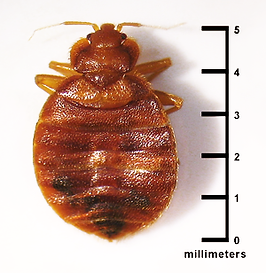
Here’s how to recognize them:
-
Adults: Flat, oval, wingless, mahogany or reddish-brown. Think “apple seed with legs.”
-
Nymphs: Smaller versions; 1st-stage nymphs are tiny (about 1 mm) and hard to see unless they’ve just fed (bright red).
-
Eggs: Tiny (1 mm), pearly white, often laid in clusters in cracks. Older eggs may show a small dark spot.
Pro Tip: Look for signs more than the bugs themselves — dark fecal spots (like tiny ink dots), rusty blood stains on sheets, and shed skins (pale, empty husks).
Where Do Bed Bugs Hide?
Bed bugs love to stay close to their food source — you. Common hiding spots include:
-
Mattress seams, tags, and piping
-
Box springs and bed frames (especially screw holes and joints)
-
Headboards and nightstands
-
Baseboards, electrical outlets, and wall cracks
-
Curtain folds, picture frames, and clutter near the bed
-
Luggage, clothing, or furniture brought into the home
They can hide in incredibly small spaces and often cluster together.
Early Action Tip: During travel or when buying used furniture, inspect seams and folds carefully before bringing items inside.

Bed Bug Bites & Early Warning Signs
Bites are often the first clue, but they’re not always reliable — some people react strongly, others barely notice.
What bites look like:
-
Small, red, itchy welts (often in a line, zigzag, or cluster of 3–5)
-
May appear on arms, neck, face, or any exposed skin
-
Can take several days to show up
-
Sometimes look like mosquito or flea bites, or even hives
Other early indicators:
-
Dark fecal spots on sheets or mattress
-
Tiny blood stains from crushed bugs or scratching
-
Shed skins or tiny white eggs in mattress seams
-
A sweet, musty odor in heavy infestations
Important: Bites alone don’t confirm bed bugs. Look for physical evidence.

How Fast Do Bed Bugs Spread?


Very quickly — one pregnant female can start a major problem.
-
Females lay 1–5 eggs per day (up to 200–500 in a lifetime).
-
Eggs hatch in about a week; nymphs reach adulthood in 3–5 weeks under ideal conditions.
-
A small infestation can explode into hundreds of bugs in just a couple of months.
-
They spread easily via luggage, used furniture, clothing, or even through apartment walls.
That’s why early detection is critical. The sooner you confirm and treat, the easier (and cheaper) it is to eliminate them.


Treatment Options for Bed Bugs


DIY methods are rarely enough — bed bugs are tough, resilient, and experts at hiding in tiny cracks and crevices. Common professional approaches include:
-
Heat Treatment: Whole-house or targeted heating that kills all life stages, including eggs (highly effective and non-chemical).
-
Chemical Treatments: Targeted insecticides (Many bed bug populations have developed significant resistance to older pyrethroid insecticides, and water-based chemical treatments often fail to reach deep into wall cavities, mattresses, and other hidden harborage areas where bed bugs reside.).
-
Integrated Pest Management (IPM): A combination of vacuuming, mattress/box spring encasements, interceptors, monitoring, and follow-up inspections.
-
Freezing, Washing & Drying or Steam: Useful for smaller items or spot treatments.
The best treatment depends on the severity of the infestation and the type of property. Working with experienced professionals is always the smartest move.
Our Recommendation: Start with a thorough K9 bed bug inspection. Our trained detection dogs can quickly and non-invasively sniff out live bugs, eggs, and even early hidden infestations that visual inspections often miss.
Having the canine team come out gives us a much clearer picture of your infestation level and helps determine the most suitable (and cost-effective) treatment option for your situation.
-
If the K9 alerts on only one area or item, you may be able to simply discard that item and/or apply a targeted chemical treatment to that specific spot — potentially saving you time and money.
-
If the dog detects multiple alerts throughout the home, a heat treatment is usually the best choice. Heat kills all life stages, including eggs, in one thorough application. There is currently no proven chemical treatment that reliably kills bed bug eggs, so relying solely on chemicals in a widespread infestation risks leaving eggs behind that can hatch and restart the problem.
-
If you’ve caught the issue early (before a full-blown infestation), you may be able to get away with a targeted application plus the cost of the K9 inspection.
Early confirmation through K9 detection allows you to choose the most precise, effective, and budget-friendly solution. Don’t wait — the sooner you know exactly what you’re dealing with, the easier (and cheaper) it is to eliminate the problem for good.


Why Choose K9 Bed Bug Detection?
Our specially trained K9 teams offer:
-
High-accuracy detection — often achieving 90%+ success rates in real-world conditions
-
Fast, non-disruptive inspections — no need to tear apart rooms or furniture
-
Ability to cover large areas quickly
-
Early detection that prevents big, expensive infestations
Bed bugs are notoriously difficult to detect with the naked eye. They can be almost fully transparent when unfed, and they’re small enough to hide anywhere a thin credit card can slide into — including deep inside wall cavities, mattresses, box springs, and couches.
Relying on visual inspections alone is only about 30-40% accurate. You simply can’t see into the hidden spots where they thrive.
That’s why K9 detection dogs are the best tool for locating bed bugs early and effectively.
Don’t wait until bites or visible signs appear. Peace of mind starts with a quick, reliable K9 inspection.

Additional Tips & Prevention
How to Prevent Bed Bugs
-
Don’t Bring Them Home Avoid picking up used mattresses, box springs, couches, or upholstered furniture from curbsides or unverified secondhand sources. If you must purchase used items, inspect every seam, crevice, and underside thoroughly — or better yet, choose reputable sellers with clear bed bug policies.
-
Travel Smart and Inspect Thoroughly In hotels, vacation rentals, or visiting others’ homes:
-
Keep luggage off the floor and bed — use the luggage rack (after inspecting it), bathtub, or a hard surface.
-
Check the bed, headboard, and nearby furniture for signs of bed bugs before unpacking.
-
Upon returning home: Immediately wash all clothing and fabrics in hot water, then dry on high heat for at least 30 minutes. Vacuum your suitcases thoroughly and store them sealed or away from bedrooms.
-
-
Make Your Home Less Inviting
-
Reduce clutter, especially in bedrooms — fewer hiding spots make detection easier.
-
Seal cracks and crevices in walls, baseboards, and outlets with caulk.
-
Encase all mattresses and box springs in high-quality, zippered bed bug-proof encasements. Light-colored covers make spotting bugs or signs much simpler.
-
Keep beds and furniture slightly away from walls when possible, and tuck sheets so they don’t touch the floor.
-
-
Maintain Good Cleaning Habits
-
Wash bedding, sheets, and any clothes that touch the floor weekly in hot water, followed by high-heat drying.
-
Vacuum mattresses, box springs, bed frames, floors, and furniture regularly. Empty the vacuum outside into a sealed bag right away.
-
Use bed bug interceptors or traps under bed legs to monitor and catch any crawling bugs early.
-
-
Extra Caution in Multi-Unit Buildings In apartments, condos, or shared spaces, bed bugs can travel through walls, pipes, or common areas. Stay vigilant and consider scheduling routine K9 bed bug inspections for peace of mind.